Trying to choose between Milton and Alpharetta? You are not alone. Both cities are popular in North Metro Atlanta, but they offer very different day-to-day experiences, price points, and housing patterns. If you are weighing privacy, commute, lifestyle, and long-term fit, this guide will help you compare the facts and narrow your next move. Let’s dive in.
Milton vs. Alpharetta at a Glance
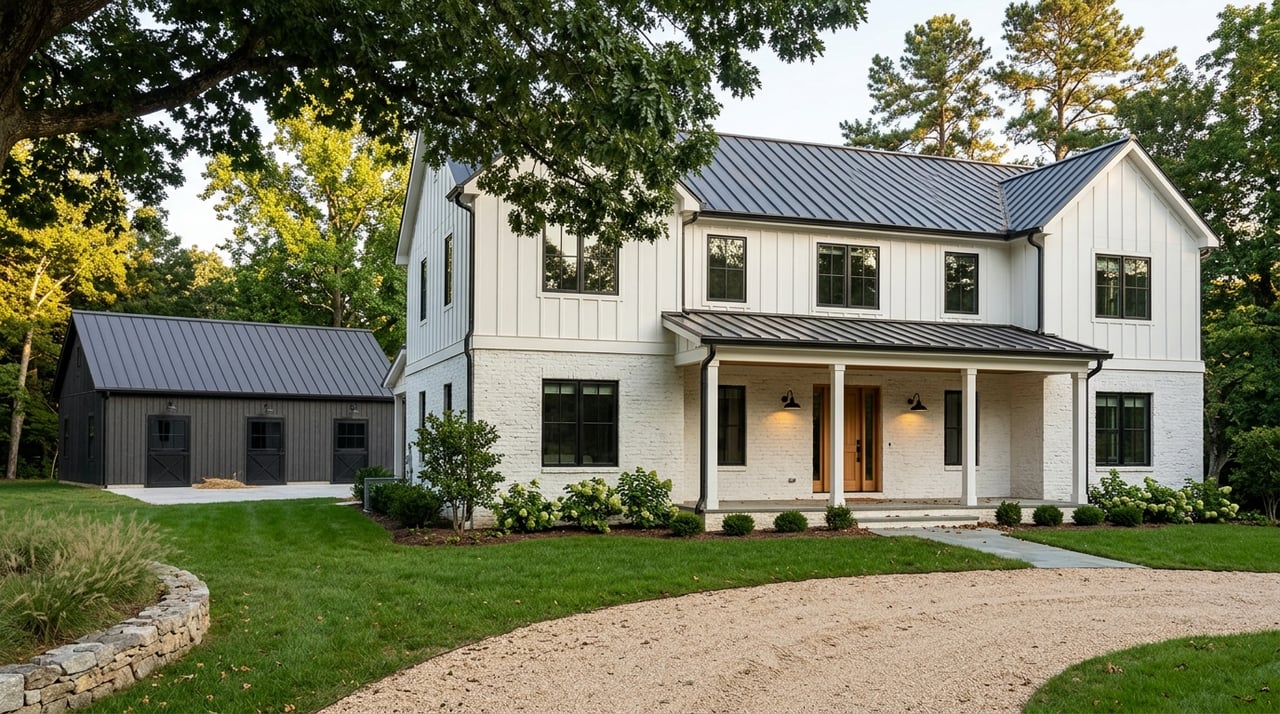
If you are deciding where to plant roots, the biggest difference comes down to space versus variety. Milton is known for larger lots, a more rural setting, and a market that tends to skew higher in price. Alpharetta offers more housing options, stronger town-center energy, and a lower typical entry point.
Recent Zillow snapshots show Milton with a typical home value of about $941,274, compared with $730,793 in Alpharetta. The same snapshot also showed fewer homes for sale in Milton, at 182, versus 478 in Alpharetta, along with a longer median days-to-pending timeline of 46 days in Milton and 28 days in Alpharetta.
Housing Feel and Lot Size
Milton offers more room to spread out
Milton’s planning documents make its direction very clear. The city says more than 90% of land within city limits is low- or very low-density residential, and it actively works to preserve a rural landscape with large lots, set-back homes, and open land patterns.
If you picture horse farms, barns, pastures, and more separation between homes, Milton fits that image. The city also highlights its equestrian identity, and Census Reporter shows that 81% of Milton’s housing stock is single-unit housing.
Alpharetta offers more housing variety
Alpharetta has a different land-use story. City planning materials emphasize downtown redevelopment, mixed-use areas, and stronger pedestrian, bike, and transit connectivity, especially around downtown and North Point.
That translates into a broader mix of housing types and neighborhood settings. Census Reporter shows 63% of Alpharetta’s housing stock is single-unit housing, which still means many detached homes, but with a more noticeable multi-unit and renter presence than Milton.
Home Prices and Inventory
Milton is the higher-priced market
If budget is a major factor, Milton and Alpharetta are not interchangeable. Based on the latest Zillow snapshots in the research report, Milton’s typical home value is about $941,274, and its median sale price is $986,500.
That pricing lines up with Milton’s large-lot, lower-supply profile. When a market is built around more land, fewer listings, and a specific lifestyle appeal, prices often reflect that scarcity.
Alpharetta gives you more range
Alpharetta’s latest Zillow snapshot shows a typical home value of $730,793 and a median sale price of $715,233. That is still a substantial price point, but it gives many buyers a lower ceiling than Milton.
With more active inventory in the snapshot, Alpharetta may also give you more room to compare neighborhoods, home styles, and price bands. If you want more options on your short list, that can matter.
Commute and Everyday Access
Milton is often more car-dependent
Milton’s transportation planning notes that many residents commute to the Perimeter and Downtown Atlanta primarily via GA-400. The city also explains that using public transit usually involves driving to the Windward Parkway park-and-ride, then transferring to a MARTA bus, and then transferring again to rail or another bus at North Springs.
In practical terms, that means many households in Milton should expect a more driving-focused routine. If you are comfortable with that tradeoff in exchange for more privacy and larger lots, Milton may still be a strong fit.
Alpharetta is built around more connected activity areas
Alpharetta’s planning documents put more emphasis on connected destinations. The city’s Downtown Circulation Study is focused on improving pedestrian and bicycle connections, strengthening transit presence, and supporting redevelopment opportunities downtown.
North Point is also treated as a major activity and transportation node. If you like the idea of being closer to shopping, dining, events, and mixed-use areas, Alpharetta may feel more convenient for daily life.
Commute times are fairly close
At a citywide level, average commute times are not dramatically different. Census data in the research report shows a mean travel time to work of 26.3 minutes in Alpharetta and 28.0 minutes in Milton.
So the better question is not always which city has the shorter commute. It is which city fits your office location, your regular routes, and your comfort level with driving.
Amenities and Lifestyle
Milton leans into parks and open space
Milton’s amenity story is closely tied to outdoor space and its rural identity. Milton City Park and Preserve includes 7 acres of active space and 130 acres of passive preserve, and the broader parks system includes fields, playgrounds, trails, a pool, and tennis facilities.
If your ideal home base includes more green space, larger properties, and a setting that feels quieter and more spread out, Milton has a distinct appeal. Its identity is less about a central town core and more about land, privacy, and open surroundings.
Alpharetta offers a more concentrated amenity mix
Alpharetta’s official city pages highlight amenities such as Big Creek Greenway, Wills Park, arts and culture programming, and events including Food Truck Alley and July 4th fireworks at Wills Park. Alpharetta City Center adds a downtown setting with retail, restaurants, public spaces, and housing.
That gives Alpharetta a denser amenity pattern. If you want easier access to community events, walkable activity pockets, and a stronger town-center atmosphere, Alpharetta may check more of those boxes.
Resale and Long-Term Fit
Milton appeals to a more specific buyer
Milton’s policies are designed to preserve its rural landscape and large-lot character. The city’s urban growth boundary effort and large-lot incentives are both intended to keep that identity intact.
That can support long-term lifestyle appeal and scarcity. At the same time, it can narrow the future buyer pool to people who specifically want acreage, privacy, or an equestrian-style setting.
Alpharetta may draw a broader pool
Alpharetta’s growth model centers more on redevelopment and activity hubs like downtown and North Point. That can support resale appeal by attracting buyers looking for convenience, housing variety, and a clear amenity story.
The latest Zillow snapshot also showed more inventory and a shorter days-to-pending figure in Alpharetta than in Milton. While every home is unique, those city-level numbers may point to slightly faster resale velocity overall.
School Zoning Matters by Address
If schools are part of your decision, it is important to stay property-specific. Fulton County Schools states that attendance zones are assigned by residential address, and Milton and Alpharetta addresses can feed into different elementary, middle, and high school combinations.
That means you should verify the exact address before making assumptions about school assignment or future resale appeal tied to a school name. Two homes in the same city can have different zoning outcomes.
How to Choose the Better Fit
If you are torn between these two markets, it helps to focus on your daily life, not just the listing photos. Start with the tradeoffs that will matter most to you over the next few years.
Choose Milton if you want:
- Larger lots and more separation between homes
- A rural or equestrian-influenced setting
- More privacy and open space
- A market centered on single-unit homes
- A lifestyle that feels quieter and more car-oriented
Choose Alpharetta if you want:
- A lower typical price point than Milton
- More active listings and more range to compare
- Greater housing variety
- Stronger town-center and mixed-use amenities
- Access to parks, events, and connected activity areas
A Smart Way to Compare Homes
When you tour homes in Milton and Alpharetta, try comparing them through the same lens. That keeps the decision grounded in how you will actually live, not just what looks best online.
Use a simple checklist like this:
- Lot size and privacy
- Drive time to your most common destinations
- Nearby parks, trails, and activity areas
- Home style and neighborhood pattern
- Price range and monthly comfort level
- Resale flexibility based on location and buyer appeal
- Exact school zoning by address
A side-by-side approach can make your answer clearer very quickly.
If you are trying to sort out which city feels most like home, a local guide can help you compare neighborhoods, property types, and lifestyle tradeoffs in a way that feels manageable. When you are ready to talk through Milton, Alpharetta, or both, connect with Angel Kennedy for personalized guidance that puts your goals first.
FAQs
Is Milton more expensive than Alpharetta?
- Yes. The latest Zillow snapshots in the research report show Milton with a typical home value of about $941,274, compared with $730,793 in Alpharetta.
Does Alpharetta have more homes for sale than Milton?
- Yes. In the latest Zillow snapshot referenced in the research report, Alpharetta had 478 homes for sale versus 182 in Milton.
Is Milton or Alpharetta better for larger lots?
- Milton is generally the better fit for larger lots because the city preserves a low-density, rural development pattern and emphasizes large-lot character.
Is Alpharetta easier for commuting and daily access?
- It can be, especially if you want more connected activity centers, downtown access, and a less car-dependent feel in some areas. Average commute times are close, though, so your exact work location still matters.
Do Milton and Alpharetta homes have the same school zoning?
- No. Fulton County Schools assigns attendance zones by residential address, so school zoning can vary within both cities depending on the exact property.
Which city may have broader resale appeal, Milton or Alpharetta?
- Alpharetta may appeal to a broader buyer pool because of its housing variety, redevelopment focus, and amenity-rich activity centers, while Milton often attracts buyers seeking a more specific large-lot or rural lifestyle.