Looking for a place where open space, trails, and horse-friendly living are part of everyday life? Milton stands out in North Metro Atlanta for exactly that reason. If you are exploring a move, planning a sale, or simply trying to understand what makes this area different, this guide will walk you through Milton’s outdoor and equestrian lifestyle and what it can mean for your real estate search. Let’s dive in.
Why Milton Feels Different
Milton’s identity is closely tied to open land, horse farms, and a more rural pattern of development. According to the city, horse farms are spread throughout Milton’s neighborhoods, and a 2024 farm census identified more than 200 active horse farms. The city also defines large lots as properties with 3 acres or more, which helps explain why so much of Milton feels spacious and green.
That sense of space is not accidental. Milton’s planning work continues to prioritize rural heritage, large-lot character, and equestrian land use. The city notes that large setbacks, pastures, and tree-lined frontage all contribute to the look and feel that residents value.
Equestrian Living in Milton
If horses are part of your lifestyle, Milton offers more than just a few scattered properties. The city has a formal equestrian committee appointed by the mayor and council, which shows that equestrian land use is part of long-term local planning. That matters because it reflects ongoing attention to how horse-friendly properties and infrastructure fit into the community.
For buyers, this means Milton is not simply marketing an equestrian image. It has an established pattern of horse farms, acreage, and planning policies that support that identity. For sellers, that can be an important part of how your property is positioned when it offers land, barns, pasture, or riding potential.
Outdoor Spaces Residents Actually Use
Milton’s outdoor lifestyle is also shaped by the parks, preserves, and trails people use every day. The city offers outdoor recreation programming year-round, and its trail planning includes walking, biking, and horse riding. The Trails Advisory Committee’s mission even centers on preserving Milton’s rural nature through a broad trail network.
That gives you a range of experiences depending on how you want to spend your time outdoors. Some places are better for horseback riding, some are better for walking or nature access, and some combine active amenities with more passive open space.
Birmingham Park for Equestrian Trails
Birmingham Park is one of the clearest examples of Milton’s horse-friendly public spaces. This 200-acre natural park in northwest Milton includes nine multi-use natural-surface trails used by equestrians and hikers. The city has also added trailer-friendly parking, hitching posts, and a dedicated water source for horses.
If trail access matters to you, Birmingham Park is a key location to know. It offers a practical glimpse into how public outdoor infrastructure supports equestrian use in Milton, not just private property ownership.
Freemanville-Birmingham Greenspace for Open Riding Feel
Freemanville-Birmingham greenspace offers a different kind of outdoor setting. The city describes this 21-acre space as pasture-like, with flatter meadows, fencing suited to riding, and a parking lot designed for horse-trailer turnaround. It is intended for passive use rather than active recreation.
For someone who values open scenery and a quieter outdoor setting, this type of greenspace adds to Milton’s appeal. It also shows how the city thinks about preserving land that fits the area’s rural character.
Lakhapani Preserve for Scenic Trails
Lakhapani Preserve captures Milton’s rural feel on a smaller scale. This 106-acre preserve off Lackey Road includes a 1.5-mile trail, wooded terrain, creeks, a lake, and a gravel-road setting. The property’s history specifically includes horses and family trails.
If you want outdoor access that feels natural and tucked away, preserves like this can be a major lifestyle benefit. They help support the slower, more open rhythm that draws many buyers to Milton in the first place.
Other Parks That Support Outdoor Living
Milton also offers several additional parks that round out the outdoor lifestyle. Providence Park includes 42 wooded acres, three trails, a 0.5-mile paved ADA-accessible loop, and a fishing pier. Milton City Park and Preserve combines active amenities with a large passive preserve, including a 2.5-mile loop trail through the preserve area.
Bell Memorial Park leans more active, but it still contributes to daily outdoor access through its walking trails and place in the city’s existing trail network. Together, these spaces make it easier to picture what daily life in Milton can look like beyond the property line.
Large-Lot Living in Milton
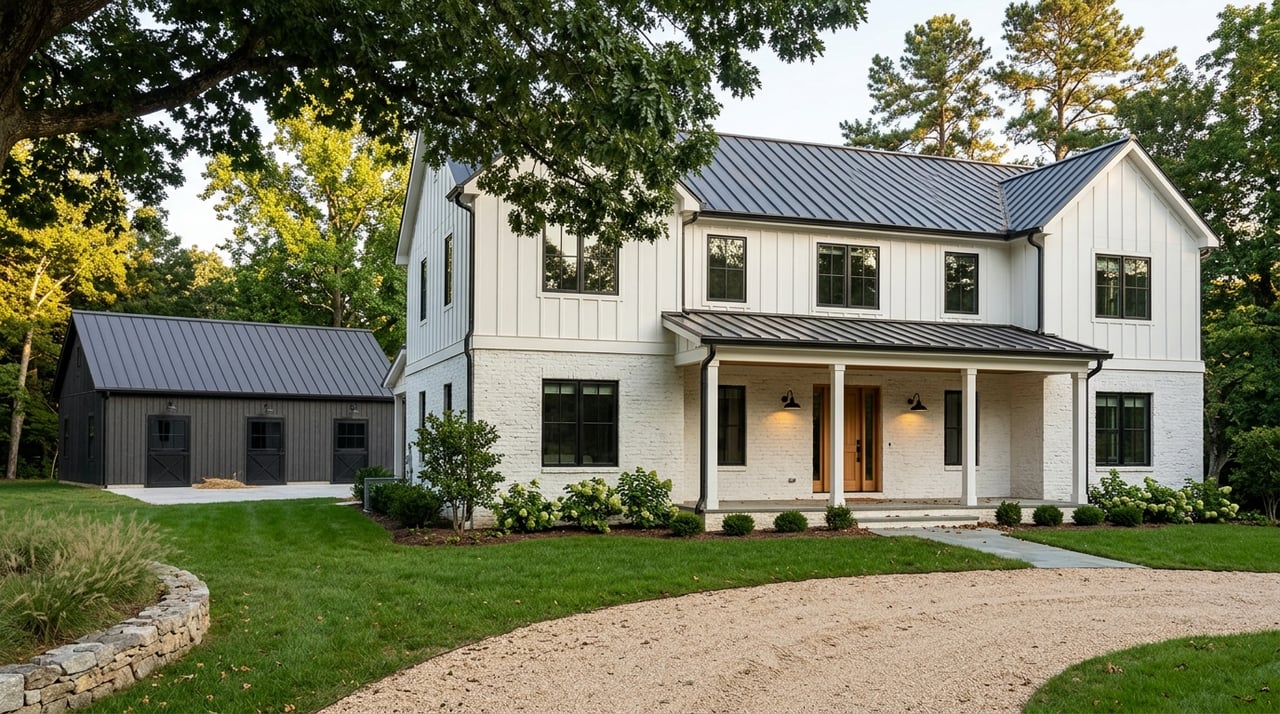
In Milton, acreage is not just a niche feature. It is part of the city’s planning identity. The city says large lots help create open views, wooded road frontages, and pasture scenes, and it classifies any property with 3 acres or more as a large lot.
For buyers, that distinction matters because not every home with a little extra land offers the same experience as a true large-lot property. The setting, access, use options, and long-term fit can vary a lot from one parcel to the next.
What Buyers Should Understand
If you are searching for acreage in Milton, it helps to define your goals early. You may want private horse use, room for a barn, proximity to public trails, or simply more privacy and open space. Those are different needs, and the right property for one may not be the right property for another.
It is also important to know that city policy work around large lots is still evolving. Milton has been studying possible incentives tied to large-lot and equestrian properties, including expedited approval for covered riding arenas on parcels of 10 acres or more, easier rebuilding of existing barns and run-in sheds, more driveway-access options, and a more systematic agricultural-exemption process. These possibilities are being studied rather than treated as fully adopted permanent rules.
Why Parcel Verification Matters
In Milton, a horse-friendly lifestyle depends on the specific tract, not just the address. The city’s zoning office handles special uses, development regulations, land-use questions, and zoning certification letters. The city also notes that variance relief does not waive minimum lot area or minimum lot frontage.
That means buyers should look beyond listing language and confirm whether a property truly fits their intended use. A home may have acreage, but details like zoning, lot size, frontage, and access can make a big difference in how you can use it.
Preservation Shapes the Lifestyle
Milton’s outdoor appeal is also tied to preservation. The city traces its current greenspace program to a 2016 voter-approved $25 million bond for trail areas, conservation land, wildlife habitats, and other natural spaces. Its Greenprint process is currently reviewing six greenspace properties.
For homeowners and future buyers, that matters because preservation efforts help maintain the setting people are moving to enjoy. Open land, natural areas, and trail connections are not just background features. They are part of the long-term value and character of the community.
Road Access and Everyday Practicality
When people picture acreage or equestrian living, they often focus on the land itself. In Milton, the broader experience also includes road access and how you move through a rural-style setting. The city’s Local Road Safety Plan includes pedestrians, bicyclists, and equestrians among its emphasis areas.
That is worth considering if you hope to ride, walk, or bike beyond your property. Shoulder conditions, trailer access, and the overall feel of nearby roads can shape how convenient and enjoyable everyday outdoor living will be.
What This Means for Buyers and Sellers
If you are buying in Milton, the biggest question is not just how much land a property has. It is whether the property supports the routine and lifestyle you actually want. Some buyers want direct horse-use potential, some want nearby trails and greenspace, and some simply want a quieter setting with more breathing room.
If you are selling, understanding those lifestyle differences can help shape how your property is presented. Acreage, pasture views, barn structures, wooded frontage, and proximity to places like Birmingham Park may all matter, but only if they are framed clearly and accurately.
A thoughtful, local approach can make all the difference here. Milton is a distinct market, and properties with outdoor or equestrian appeal often need more than a standard suburban home search or sale strategy.
If you are thinking about buying or selling in Milton and want help sorting through the details, Angel Kennedy offers personalized guidance rooted in local knowledge and a relationship-first approach.
FAQs
What makes Milton, GA appealing for equestrian living?
- Milton has more than 200 active horse farms identified in a 2024 farm census, along with public spaces like Birmingham Park that include equestrian-friendly trails and horse-support features.
What counts as a large-lot property in Milton?
- The city defines a large lot as a property with 3 acres or more.
Which Milton park is best known for horseback riding?
- Birmingham Park is the most prominent equestrian-focused park in the city system, with nine multi-use natural-surface trails plus trailer-friendly parking, hitching posts, and water for horses.
Are Milton’s large-lot and equestrian policies already fully set?
- No. The city is studying several possible incentives and policy options, so buyers should verify current rules for each property rather than assume future proposals are already in place.
Why is zoning verification important for Milton acreage properties?
- Because a property’s suitability for horses, barns, access, or other uses depends on the specific tract, including zoning, lot size, frontage, and development regulations.
Does Milton offer outdoor options beyond equestrian spaces?
- Yes. Parks and preserves such as Providence Park, Milton City Park and Preserve, Lakhapani Preserve, and Bell Memorial Park support walking, nature access, and everyday outdoor recreation.