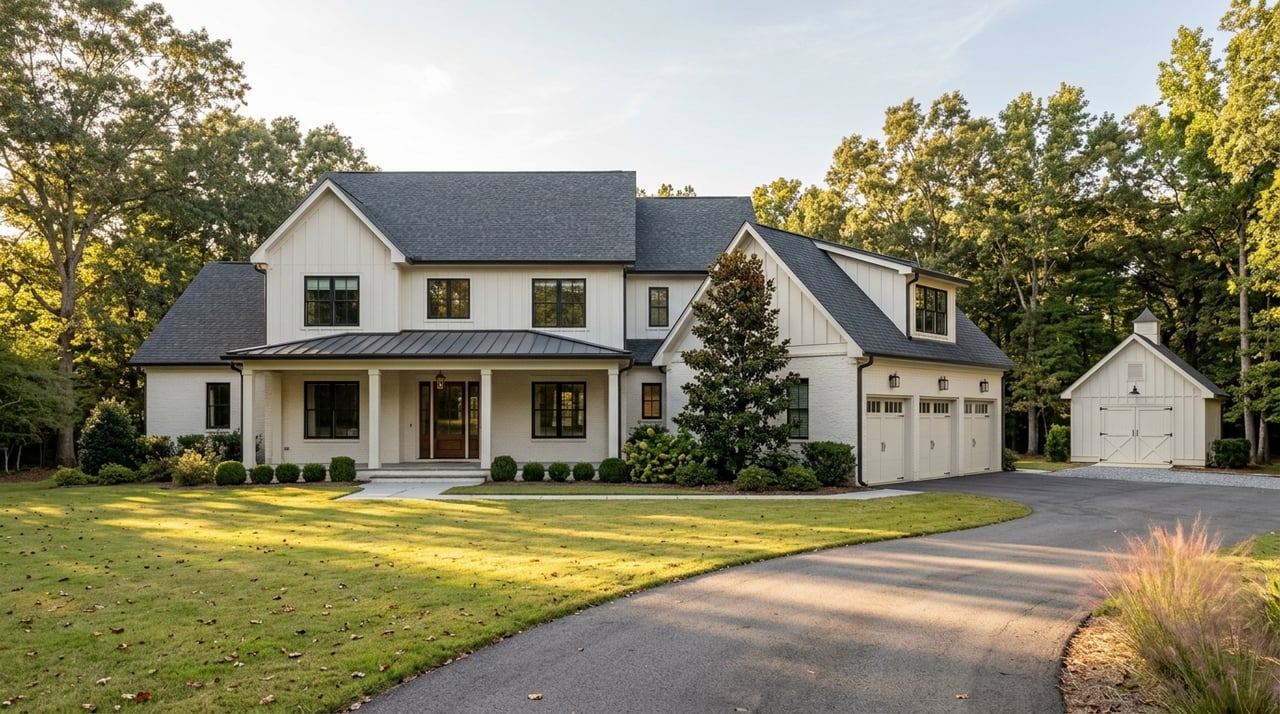
If you want more room to breathe without feeling cut off from everyday convenience, Milton may stand out right away. This North Metro Atlanta community has a very specific rhythm, one shaped by open land, quiet roads, local gathering spots, and a strong connection to the outdoors. If you are wondering what daily life here actually feels like, this guide will help you picture the pace, setting, and tradeoffs so you can decide whether Milton fits your goals. Let’s dive in.
Milton feels spacious by design
One of the first things you may notice about Milton is how much space surrounds you. The city describes itself as rural but not remote, and that phrase captures the experience well. You are not stepping into a dense suburban grid. Instead, you are entering a place where land, privacy, and natural scenery play a big role in everyday life.
Milton was incorporated in 2006 and covers a little more than 39 square miles. According to the City of Milton’s community overview, about 85% of the land is agriculturally zoned, and residential lots must be at least one acre. That planning approach helps explain why the area feels more open and less crowded than many nearby suburbs.
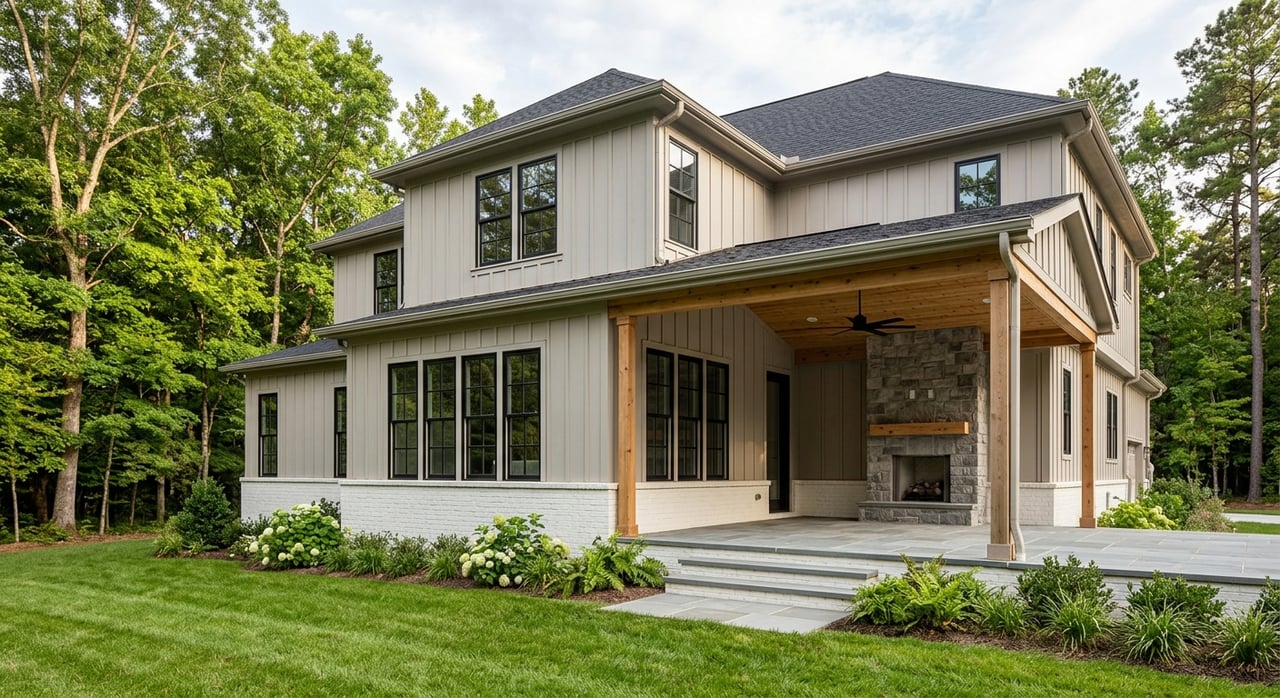
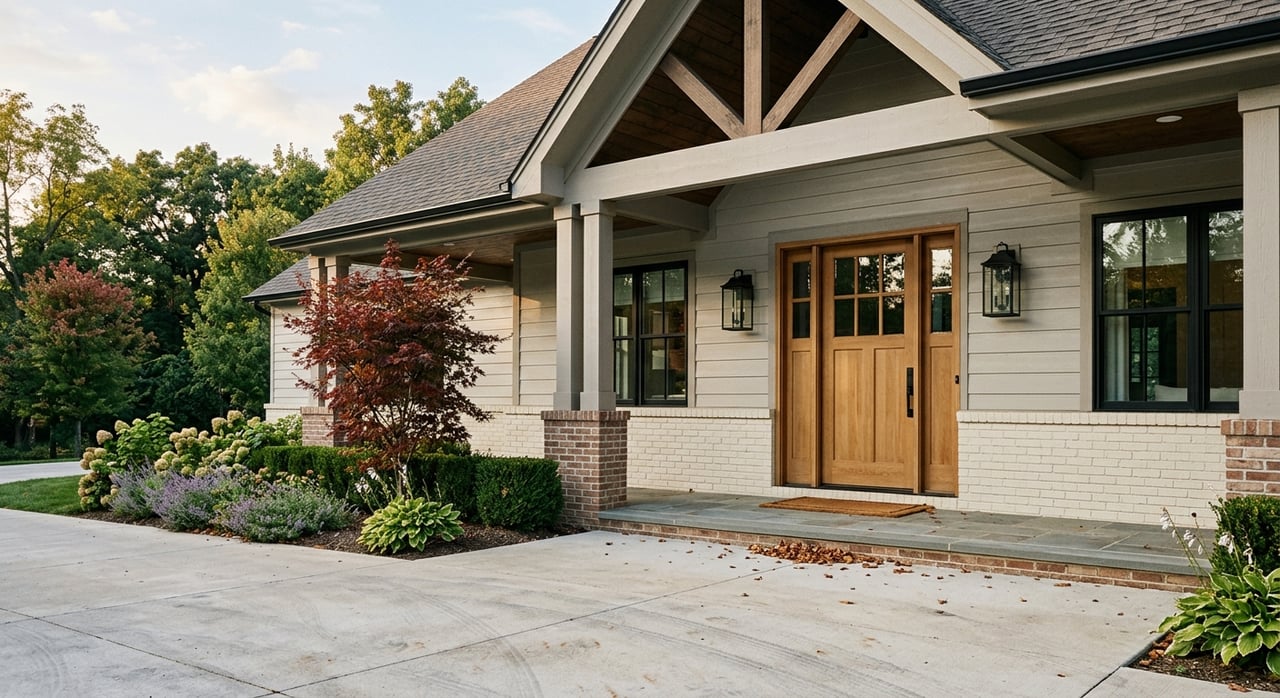
For many buyers, that spaciousness is the main draw. You may find wider setbacks, longer driveways, larger yards, and more visual separation between homes. In practical terms, Milton often feels calmer, quieter, and more private than places built around higher-density growth.
The housing pattern shapes the lifestyle
In Milton, the land is not just a backdrop. It is part of how the city functions and what many residents value most. The city has also created large lot policies to help preserve low-density development, especially on properties of three acres or more.
That matters because your day-to-day experience often changes when homes are spread out. You may have more room for outdoor living, more privacy from neighbors, and more flexibility for features like detached garages, gardens, pools, barns, or workshop space, depending on the property. If you are coming from a more typical suburban neighborhood, Milton can feel like a noticeable shift in pace and layout.
The market snapshot adds more context. The same city profile cites a 2024 population estimate of 41,490, an owner-occupied housing rate of 73.8%, a median owner-occupied home value of $712,200, and a median household income of $151,235. Together, those numbers point to a community where long-term homeownership, space, and higher-value properties are central to the local lifestyle.
Equestrian culture is part of Milton’s identity
Milton’s rural character is not just aesthetic. It is closely tied to a real equestrian presence. The city uses imagery like horses in pastures, rolling lawns, and deep setbacks to describe the area, and that is not just marketing language.
According to the city’s large lots and rural character page, Milton has a strong equestrian community rooted in its heritage. A 2024 city news post also reported more than 200 active horse farms around Milton. If you are exploring homes here, especially on larger parcels, you may see fencing, barns, riding spaces, and pasture land as part of the local landscape.
Even if you are not involved in equestrian life yourself, this still affects how the city feels. It adds to the sense that Milton is a place where land is meant to be experienced, not just divided into smaller lots. That gives the community a more grounded, scenic, and lifestyle-driven feel.
Outdoor living is part of the routine
Milton is the kind of place where green space tends to feel built into everyday life. The city highlights its parks, preserves, and recreation offerings as part of what makes the community distinct. For many residents, being outside is not an occasional weekend plan. It is part of the normal rhythm of the week.
The city’s parks and facility directory shows the range of outdoor options available. Providence Park includes 42 wooded acres with trails and a fishing pier. Freemanville-Birmingham Greenspace spans 21 acres and allows horses. Milton City Park and Preserve includes 137 acres, with 130 acres kept as passive preserve land, and the first trail there opened in 2022.
Milton’s long-term commitment to open space also shows up in public investment. In 2016, voters approved a $25 million greenspace bond with 82.86% support, and the Greenprint process continues to guide how several greenspace properties will be protected and used. That level of support says a lot about local priorities. Residents here appear to value preservation and outdoor access as part of daily quality of life.
Community life centers around a few key hubs
Milton does not revolve around one dense downtown. Instead, community activity tends to gather in a few specific nodes. That gives the city a more spread-out, destination-based pattern, where you drive to the places you use most rather than living in a highly walkable urban core.
According to the city’s economic development overview, Milton is almost exclusively residential, with less than 2% of its land used for commercial purposes. The main commercial and civic areas are Deerfield, Crabapple, and Birmingham Crossroads. This helps explain why the city often feels quieter and more residential than places with larger retail corridors.
Crabapple is especially important to the local identity. The city describes it as the heart of Milton, home to City Hall, the Milton Library, many schools, and recurring community events. It is also where you will find gatherings like the farmers market and Crabapple Fest, which the city says draws more than 30,000 people.
Market District Crabapple adds restaurants, offices, studios, and neighborhood-serving businesses, while Crabapple LIVE brings together food, music, drinks, and social activity. So while Milton may not offer a traditional downtown experience, it still provides community touchpoints where people regularly connect.
Dining and errands feel low-key and local
Daily convenience in Milton is usually less about large commercial density and more about having useful destinations nearby. You are likely to find restaurants, shops, and services clustered in the city’s commercial nodes rather than spread evenly throughout every area.
That can be appealing if you prefer a more residential setting that does not feel overbuilt. The tradeoff is that errands and dining often involve short drives rather than a quick walk around the corner. For many people, that is a worthwhile exchange for larger lots, quieter surroundings, and less visual congestion.
The city’s economic development page highlights this balance well. Milton preserves its residential and rural feel while still maintaining access to restaurants, shops, and services in focused areas like Crabapple and along Highway 9. In other words, convenience exists here, but it is intentionally contained.
Commuting is manageable, but traffic matters
Milton can work well for buyers who want North Metro access without living in a denser setting. The city says it is about 26 miles from downtown Atlanta, and Census data cited in the city profile report a mean travel time to work of 28.5 minutes. That puts Milton in a range many buyers consider workable for commuting and regional access.
At the same time, traffic is part of the lifestyle picture. The city’s transportation planning notes that Highway 9 is a critical corridor and the backbone of Milton’s main commercial area. It also points to projected traffic volumes above 31,000 vehicles per day, along with active widening and reconstruction efforts.
So what does that feel like in real life? You may enjoy more peace and space once you are home, but getting around can require more planning, especially during busier travel windows. If you are considering Milton, it helps to think honestly about your work commute, your most-used destinations, and how often you want quick access to nearby areas like Alpharetta, Roswell, or other North Metro hubs.
Milton often fits buyers who value privacy
Every city has tradeoffs, and Milton is no different. If your top priorities include nightlife, dense retail, or a highly walkable urban setting, Milton may feel too spread out. But if you are looking for room, privacy, outdoor access, and a strong sense of place, the city offers a very distinctive lifestyle.
Many buyers are drawn to Milton because it feels intentional. The land use policies, greenspace investment, equestrian support, and limited commercial footprint all work together to create a setting that feels protected rather than overbuilt. That is a big part of why Milton tends to resonate with buyers who want a home that supports a slower, more spacious everyday routine.
It can also appeal to people who are weighing long-term lifestyle fit, not just square footage. If you want space for hobbies, more separation from neighbors, a scenic setting, or a property with land-forward appeal, Milton often delivers a type of living experience that is hard to find in more conventional suburban areas.
Is Milton the right fit for you?
The best way to think about Milton is this: it feels more like a landscape with homes woven into it than a standard suburb built lot by lot. That creates a lifestyle centered on space, scenery, and community identity. For the right buyer, that can feel like exactly the upgrade they have been searching for.
If you are trying to decide whether Milton matches the way you want to live, local guidance can make that process much clearer. Angel Kennedy offers personalized support for buyers and sellers across North Metro Atlanta and can help you compare Milton with nearby communities based on your goals, commute, budget, and lifestyle priorities.
FAQs
What does daily life in Milton, GA feel like?
- Daily life in Milton often feels quieter, more spacious, and more land-focused than in a typical suburban community, with outdoor living, larger lots, and destination-based shopping and dining.
What are homes in Milton, GA usually like?
- Homes in Milton are often on larger lots with more privacy and separation between properties, and some areas include acreage, barns, fencing, or other land-oriented features.
Is Milton, GA a rural area or a suburb?
- Milton is a North Metro Atlanta suburb with a rural-leaning character, and the city describes itself as rural but not remote.
Does Milton, GA have parks and outdoor spaces?
- Yes, Milton has parks, preserves, trails, and greenspace properties, including Providence Park, Freemanville-Birmingham Greenspace, and Milton City Park and Preserve.
Is commuting from Milton, GA convenient?
- Milton offers access to North Metro Atlanta and is about 26 miles from downtown Atlanta, but traffic, especially along Highway 9, is an important factor to consider.
Who is Milton, GA a good fit for?
- Milton often appeals to buyers who value privacy, outdoor space, a lower-density setting, and a community with a strong rural and equestrian identity.